



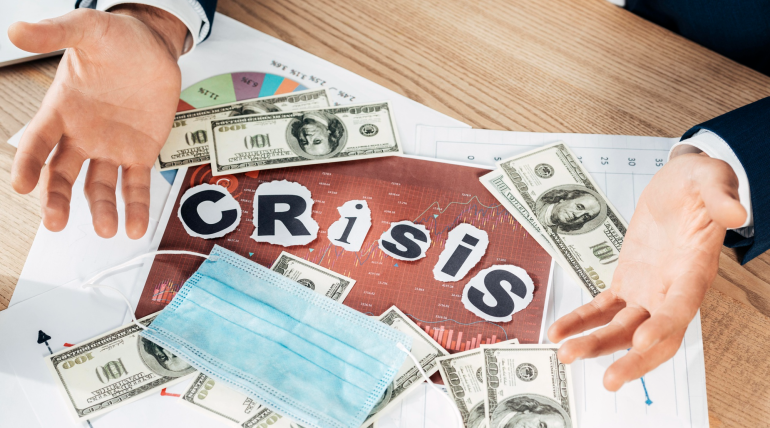
A financial crisis, you know, can kinda spill over into almost everything—people , companies, and even whole economies, in ways that feel bigger than what was happening at first. Usually, it doesn’t just pop up overnight; it builds up slowly, with multiple economic pressures piling up until the real damage becomes obvious.
If people understand why financial crises happen, they can notice warning signs sooner and maybe make sharper financial choices. And even though each crisis is its own story, a lot of them seem to lean on the same basic causes that erode financial systems over time, bit by bit.
Excessive Debt
A major driver of an unfolding financial crisis is excessive borrowing by individuals, businesses, or governments. Once debt becomes heavy enough, borrowers can get stuck trying to keep up with payments, and the risk of missed payments increases.
When loan repayments start sliding, lenders and other institutions can take hits from those losses, which then lowers their lending capacity. That, in turn, adds more wobble across the economy.
Weak Banking Systems
Banks, as a rule, are essential for economic progress. But if lending is sloppy, risk is poorly managed, or financial reserves are too thin, the whole banking sector can become fragile. And if several banks run into troubles around the same time, confidence in them can drop fast. That loss of trust makes an already unfolding crisis feel even more intense, almost as if it were accelerating.
Economic Recession
Economic slowdowns often help fuel financial instability. During a recession, businesses may bring in less revenue, unemployment tends to rise, and people generally spend less. When overall economic activity drops, company earnings can shrink, and household incomes often get squeezed too, making it harder for borrowers to stay current on their financial obligations.
Inflation and Rising Interest Rates
High inflation cuts into purchasing power and can raise the price of everyday goods and services; it’s like everything costs more, not just a little. To rein in inflation, central banks may raise interest rates, which makes borrowing more expensive for both consumers and companies. Higher borrowing costs can curb investment, slow economic momentum, and add fresh financial strain on households already facing higher day-to-day living costs.
Market Uncertainty and Investor Confidence
Financial markets mostly run on investor confidence. Political uncertainty, global conflicts, unexpected economic shocks, or a major business failure can spark concern among investors. When confidence slips, investors sometimes sell assets very quickly, which can trigger steep market swings and greater instability in the financial system.
Global Economic Events
Modern economies are tightly linked, so trouble in one place often travels elsewhere. Disruptions in international trade, supply chain problems, global pandemics, and geopolitical tensions can all feed economic uncertainty. These outside pressures may interfere with business operations, reduce new investment, and accelerate an unfolding financial crisis across multiple regions, not just one.
Conclusion
An unfolding financial crisis is rarely caused by a single factor. It’s usually a mix of connected economic pressures. Excessive debt, fragile banking systems, recessions, inflation, falling investor confidence, and global disruptions can each contribute to financial instability. When people and businesses understand these main drivers, they can plan more thoughtfully and make better financial choices during uncertain periods.