



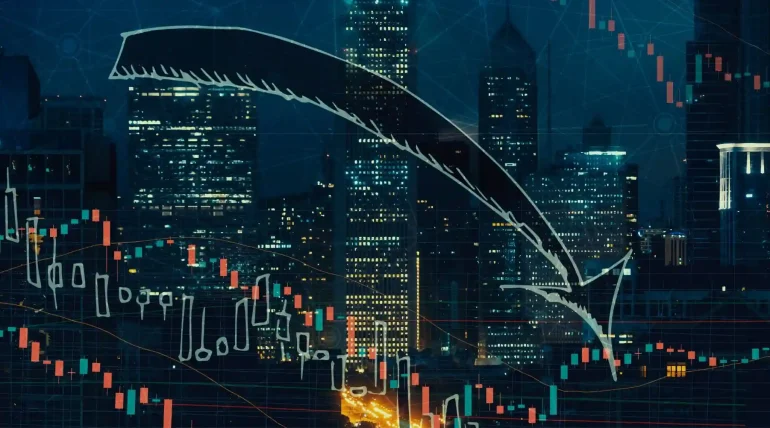
In the fast-paced world of cryptocurrency, the term “whales” often surfaces in discussions about market dynamics, volatility, and price crashes. But who exactly are these crypto whales, and what role do they play in the tumultuous landscape of digital currencies? Understanding the influence of these large holders is crucial for anyone involved in the crypto market, whether you’re a seasoned investor or a curious newcomer.
In this article, we will explore the concept of crypto whales, how their actions can trigger market fluctuations, and the potential implications of their sell-offs on the broader cryptocurrency ecosystem. With insights from industry experts, real-life examples, and data-backed analysis, we’ll demystify this significant aspect of the crypto world.
What Are Crypto Whales?
Crypto whales are individuals or entities that hold large amounts of cryptocurrency, typically enough to influence market prices significantly. The exact definition of a whale can vary, but generally, a whale is considered to be any holder of a cryptocurrency who possesses a substantial amount of that asset. For instance, in Bitcoin, a whale is often defined as a wallet that contains 1,000 BTC or more.
These whales can be individuals, such as early adopters or influential investors, or institutions, such as hedge funds and investment firms. Whales have the financial power to manipulate market sentiment through their buying and selling activities, leading to significant price movements.
Why Do Whales Matter?
The presence of crypto whales in the market can lead to increased volatility. Because they hold such large amounts of cryptocurrency, their actions can lead to rapid price changes. For instance, if a whale decides to sell a large portion of their holdings, it can create panic among smaller investors, leading to a sell-off and a subsequent price crash.
Moreover, whales often have insider knowledge or information that can impact their trading decisions. For example, if a whale believes a particular cryptocurrency is overvalued, they may sell off their holdings, influencing the overall market sentiment and driving prices down.
The Psychology of Whales
Understanding the psychology behind whale behavior can provide valuable insights into market dynamics. Whales often operate with a long-term perspective, focusing on accumulating assets rather than short-term gains. This long-term strategy can lead to market manipulation, where whales buy or sell substantial amounts of cryptocurrency to create artificial price movements.
Whales may also engage in “whale watching,” a term used to describe the practice of tracking large transactions and wallet movements to predict market trends. By monitoring whale activity, smaller investors can gain insights into potential market shifts.
How Do Whale Sell-Offs Impact the Market?
When a whale decides to sell a significant portion of their holding, the repercussions can be immediate and far-reaching. Here’s how whale sell-offs can impact the crypto market:
1. Market Sentiment and Panic Selling
One of the most significant impacts of a whale sell-off is the effect on market sentiment. When smaller investors see a whale offloading a large amount of cryptocurrency, it can trigger panic selling. This fear-driven behavior can lead to a rapid decline in prices as more investors rush to sell their assets.
For example, during the 2018 cryptocurrency crash, several large sell-offs by known Bitcoin whales contributed to widespread panic and a significant drop in prices. As fear spread across the market, many investors sold off their holdings, exacerbating the downward trend.
2. Increased Volatility
Whale sell-offs can create increased volatility in the market. A sudden influx of sell orders can lead to sharp price declines, followed by rapid recoveries as opportunistic buyers step in to purchase at lower prices. This volatility can create a challenging environment for traders, making it difficult to make informed decisions.
For instance, in May 2021, Bitcoin experienced significant price fluctuations following large sell-offs by various whales. The volatility during this period led to uncertainty among investors, resulting in erratic trading behavior.
3. Liquidity Issues
When a whale sells a large amount of cryptocurrency, it can create liquidity issues in the market. If the sell-off occurs rapidly, it can lead to a situation where there aren’t enough buyers to absorb the sell orders, causing prices to plummet. This lack of liquidity can make it difficult for smaller investors to execute trades without impacting the price further.
Liquidity issues can also result in slippage, where the price at which an order is executed differs from the expected price. This phenomenon can be particularly problematic during periods of high volatility, as seen during the aforementioned 2018 crash.
4. Long-Term Market Trends
Whale sell-offs can also influence long-term market trends. If a significant number of whales begin to sell their holdings, it may signal a bearish sentiment in the market. This trend can lead to a prolonged downturn, as smaller investors lose confidence and follow suit.
Conversely, if whales start accumulating assets, it can indicate bullish sentiment, leading to increased buying activity among retail investors. The actions of whales can thus serve as a barometer for market sentiment, impacting long-term price trends.
Case Studies of Whale Activity
To understand the impact of crypto whales further, let’s examine a few notable case studies of whale activity and their effects on the market.
Case Study 1: The Mt. Gox Incident
One of the most infamous examples of whale activity impacting the crypto market occurred during the Mt. Gox incident in 2014. Mt. Gox was once the largest Bitcoin exchange, handling over 70% of all Bitcoin transactions at its peak. Following a massive hack, Mt. Gox lost approximately 850,000 BTC, leading to a significant sell-off by its custodians.
As news of the hack spread, panic ensued, causing Bitcoin prices to plummet. The incident highlighted the influence of large holders on market sentiment and the potential for catastrophic outcomes when significant amounts of cryptocurrency are suddenly sold or lost.
Case Study 2: The 2021 Bitcoin Market Crash
In May 2021, Bitcoin experienced a severe market crash, dropping from around $64,000 to below $30,000 within a matter of weeks. This crash was partly triggered by large sell-offs from whales, including reports of significant transactions from known wallets.
The sell-offs were exacerbated by negative news surrounding regulatory crackdowns in China and environmental concerns over Bitcoin mining. As prices fell, additional panic selling ensued, leading to further declines. This event underscored the power of whales in influencing market behavior and the cascading effects of their actions.
Expert Insights on Whale Behavior
To gain a deeper understanding of whale behavior and its impact on the crypto market, we spoke with industry experts and analysts.
Insight from Dr. Emily Carter, Cryptocurrency Analyst
Dr. Carter emphasizes the importance of monitoring whale activity: “Whales have a profound influence on market dynamics. Their sell-offs can create a chain reaction that can lead to significant price drops. Retail investors should stay informed about whale movements to make better trading decisions.”
Insight from Mark Johnson, Blockchain Strategist
Mark Johnson provides insights into the psychology of whales: “Many whales operate with a long-term perspective. However, their actions can create short-term volatility that affects the entire market. Understanding this behavior is crucial for navigating the crypto landscape.”
Strategies for Retail Investors
For retail investors looking to navigate the volatile waters of cryptocurrency, understanding the role of whales can provide valuable insights. Here are some strategies to consider:
1. Stay Informed
Monitoring whale activity through blockchain explorers and tracking tools can provide insights into significant transactions. Websites like Whale Alert offer real-time alerts for large transfers, allowing investors to stay informed about potential market movements.
2. Diversify Investments
Diversification can mitigate the risks associated with whale sell-offs. By spreading investments across different cryptocurrencies, investors can reduce their exposure to the volatility caused by any single asset.
3. Adopt a Long-Term Perspective
While short-term trading can be tempting, adopting a long-term perspective may yield better results in the volatile crypto market. Investors should focus on the fundamentals of the projects they invest in rather than being swayed by short-term price movements driven by whale activity.
4. Use Stop-Loss Orders
Implementing stop-loss orders can help protect investments during periods of increased volatility. Setting predefined exit points can minimize losses if a sudden sell-off occurs.
Conclusion
In conclusion, crypto whales play a significant role in the cryptocurrency market, influencing price movements and market sentiment through their buying and selling activities. Understanding who these whales are and how their actions can lead to market crashes is crucial for anyone involved in the crypto space.
As the cryptocurrency market continues to evolve, the influence of whales will likely remain a critical factor. By staying informed and adopting prudent investment strategies, retail investors can navigate the complexities of the crypto market more effectively, minimizing risks associated with whale-driven volatility.
FAQs
1. Who are crypto whales?
Crypto whales are individuals or entities that hold large amounts of cryptocurrency, typically enough to influence market prices significantly. Their actions can lead to rapid price changes and increased market volatility.
2. How do whale sell-offs impact the crypto market?
Whale sell-offs can trigger panic selling among smaller investors, leading to significant price declines. Their actions also create increased volatility and can result in liquidity issues, making it difficult for others to execute trades without affecting prices.
3. What strategies can retail investors use to navigate whale activity?
Retail investors can monitor whale movements using blockchain tracking tools, diversify their investments, adopt a long-term perspective, and implement stop-loss orders to protect against sudden market fluctuations caused by whale sell-offs.
4. Can whale behavior predict market trends?
Yes, whale behavior can serve as an indicator of market sentiment. If a significant number of whales begin selling their holdings, it may signal bearish sentiment, while accumulation by whales can indicate bullish trends.
5. What are the risks associated with investing in cryptocurrencies influenced by whales?
The primary risks include increased volatility, potential for panic selling, and liquidity issues. Understanding whale activity can help investors make informed decisions and mitigate risks associated with sudden market movements.