


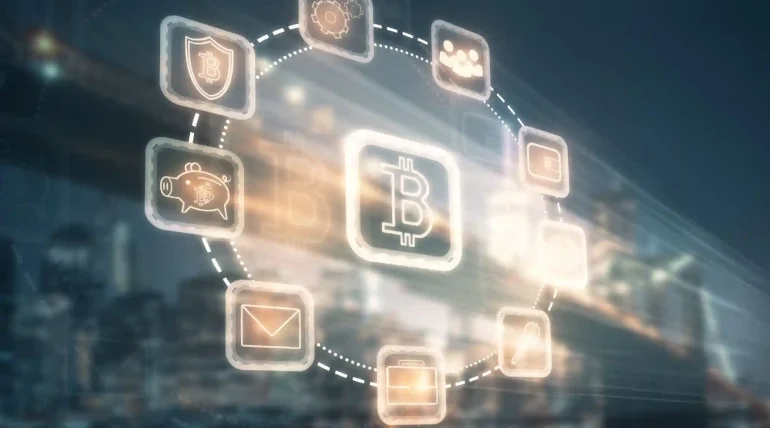
In today’s rapidly evolving financial landscape, understanding digital assets is more crucial than ever. These assets, which include cryptocurrencies, tokens, and other blockchain-based items, are reshaping how we think about ownership, value, and investment. Staying updated on digital assets news is essential for anyone looking to navigate this complex world. With the rise of blockchain technology and the emergence of Web3, it’s important to understand these trends and how they can impact our lives.
Understanding Digital Assets
Digital assets represent a broad category of items that exist in digital form. They include cryptocurrencies like Bitcoin and Ethereum, non-fungible tokens (NFTs), and various types of tokens used in decentralized finance (DeFi) applications. At their core, digital assets are built on blockchain technology, which provides a secure and transparent way to record transactions. This technology ensures that ownership can be easily verified and transferred, making digital assets both innovative and appealing.
The significance of digital assets in the modern economy cannot be overstated. They offer new ways for individuals and businesses to engage in financial activities without relying on traditional banking systems. By breaking down barriers and allowing for greater accessibility, digital assets are democratizing finance, making it possible for anyone with internet access to participate in the global economy.
Cryptocurrencies and Tokens
Cryptocurrencies are perhaps the most well-known type of digital asset. These are digital currencies that use cryptography for security, making them difficult to counterfeit. Bitcoin, created in 2009, was the first cryptocurrency and remains the most recognized. However, the landscape has expanded significantly, with thousands of cryptocurrencies now available.
Tokens, on the other hand, can represent various assets or utilities within a specific ecosystem. Utility tokens allow users to access a product or service, while security tokens represent ownership in an underlying asset, such as shares in a company. Stablecoins, pegged to traditional currencies like the US dollar, aim to provide stability in the often volatile cryptocurrency market. Understanding these different types of digital assets is essential for anyone looking to invest or engage in this space.
The Evolution of Blockchain Technology
Blockchain technology is the foundation of digital assets. Initially developed as the underlying infrastructure for Bitcoin, it has evolved into a versatile technology with applications across various industries. The concept of a decentralized ledger that records transactions in a secure and transparent manner has attracted interest beyond cryptocurrencies.
Key milestones in blockchain development include the introduction of smart contracts and decentralized applications (DApps). Smart contracts are self-executing contracts with the terms of the agreement directly written into code. They automatically enforce and execute agreements when predetermined conditions are met. This innovation has led to the creation of DApps, which run on blockchain networks and provide various services, from finance to gaming.
Smart Contracts and Decentralized Applications (DApps)
Smart contracts have revolutionized how agreements are executed. For example, in real estate transactions, a smart contract could automatically transfer ownership once payment is received, eliminating the need for intermediaries. This not only speeds up the process but also reduces costs and minimizes the risk of fraud.
DApps are another exciting development in the blockchain world. These applications operate on decentralized networks, meaning they are not controlled by a single entity. This decentralization enhances security and fosters innovation. Popular examples of DApps include decentralized exchanges, lending platforms, and games that utilize blockchain technology to create unique experiences for users.
The Rise of Web3
Web3 represents the next evolution of the internet, emphasizing decentralization and user ownership. Unlike Web2, which is dominated by centralized platforms and corporate control, Web3 aims to create a more open and equitable digital landscape. This transition is driven by the growing demand for privacy, security, and control over personal data.
At its core, Web3 leverages blockchain technology to give users greater agency over their online experiences. With decentralized applications and services, individuals can interact directly without relying on intermediaries, fostering a more collaborative digital environment. This shift has the potential to change how we think about online interactions, commerce, and content creation.
Key Players in the Web3 Space
As Web3 continues to grow, several key players are leading the charge. Major projects such as Ethereum, Polkadot, and Solana are paving the way for decentralized applications and services. These platforms provide the infrastructure needed for developers to create innovative solutions that prioritize user ownership and control.
Decentralized finance (DeFi) is one of the most significant areas of growth within the Web3 ecosystem. DeFi platforms offer financial services without traditional intermediaries, allowing users to lend, borrow, and trade directly with one another. This democratization of finance empowers individuals and provides access to financial opportunities that were previously unavailable to many.
Staying Informed: Digital Assets News Sources
In a fast-paced environment like digital assets, staying informed is essential. Reliable news sources provide insights into market trends, technological advancements, and regulatory developments. Following reputable platforms and publications can help investors make informed decisions and navigate the complexities of the digital asset landscape.
Websites like CoinDesk, CoinTelegraph, and The Block offer in-depth coverage of the latest developments in the cryptocurrency and blockchain space. Additionally, subscribing to newsletters and following industry experts on social media can provide valuable insights and keep you updated on emerging trends.
Social Media and Community Engagement
Social media has become a powerful tool for shaping digital asset trends. Platforms like Twitter, Reddit, and Discord host vibrant communities where enthusiasts share news, insights, and opinions. Engaging with these communities can provide a wealth of information and foster connections with like-minded individuals.
On Twitter, for instance, following influential figures in the blockchain space can help you stay ahead of breaking news and emerging opportunities. Similarly, Reddit communities focused on cryptocurrency often discuss market trends and share investment strategies. By actively participating in these discussions, you can enhance your understanding of the digital assets landscape.
Analyzing Trends in Digital Assets
As the digital assets market evolves, understanding key trends is vital. Current trends include the increasing adoption of cryptocurrencies by mainstream institutions, the growth of decentralized finance, and the rise of non-fungible tokens (NFTs). Each of these trends has the potential to reshape the financial landscape significantly.
Regulatory changes also play a crucial role in shaping the digital assets market. Governments around the world are grappling with how to regulate cryptocurrencies and blockchain technology. These regulations can have far-reaching implications for investors and businesses alike. Keeping an eye on these developments will help you navigate the rapidly changing environment.
Market Sentiment and Its Influence
Market sentiment is a critical factor influencing digital asset prices. Understanding how investor emotions affect market movements can provide valuable insights for traders and investors. When sentiment is optimistic, prices often rise, while negative sentiment can lead to sharp declines.
Tools and indicators, such as the Fear and Greed Index, help gauge market sentiment by analyzing various factors, including volatility, market momentum, and social media trends. By monitoring sentiment, investors can make more informed decisions and time their trades effectively.
Future Predictions for Digital Assets
Looking ahead, the future of digital assets appears promising yet uncertain. Experts predict continued growth in the adoption of cryptocurrencies, with more businesses accepting them as payment. Additionally, advancements in blockchain technology will likely lead to new applications and use cases that we cannot yet imagine.
However, challenges remain. Regulatory scrutiny is increasing, and the market’s inherent volatility presents risks for investors. Understanding these challenges and staying informed about industry developments will be crucial for anyone looking to navigate the digital asset landscape successfully.
Innovations to Watch
Several innovations are on the horizon that could significantly impact digital assets. Technologies such as artificial intelligence and machine learning are being integrated into various blockchain applications, enhancing security and efficiency. Additionally, the growth of layer-two solutions aims to address scalability issues, making blockchain networks more efficient and user-friendly.
As these innovations continue to develop, they will shape the future of digital assets and the broader financial landscape. Keeping an eye on emerging technologies will help you stay ahead of the curve and seize new opportunities as they arise.
Conclusion
In conclusion, staying informed about digital assets is essential in today’s fast-paced financial environment. Understanding the nuances of digital assets and their underlying technologies, such as blockchain, is crucial for making informed investment decisions. As the landscape continues to evolve with the rise of Web3 and decentralized finance, embracing knowledge and engaging with the community will empower you to navigate this dynamic space successfully.
By following reliable news sources, engaging in community discussions, and analyzing trends, you can position yourself to take advantage of the opportunities that the digital assets market presents. The future is bright for those willing to stay informed and adapt to the changes ahead.